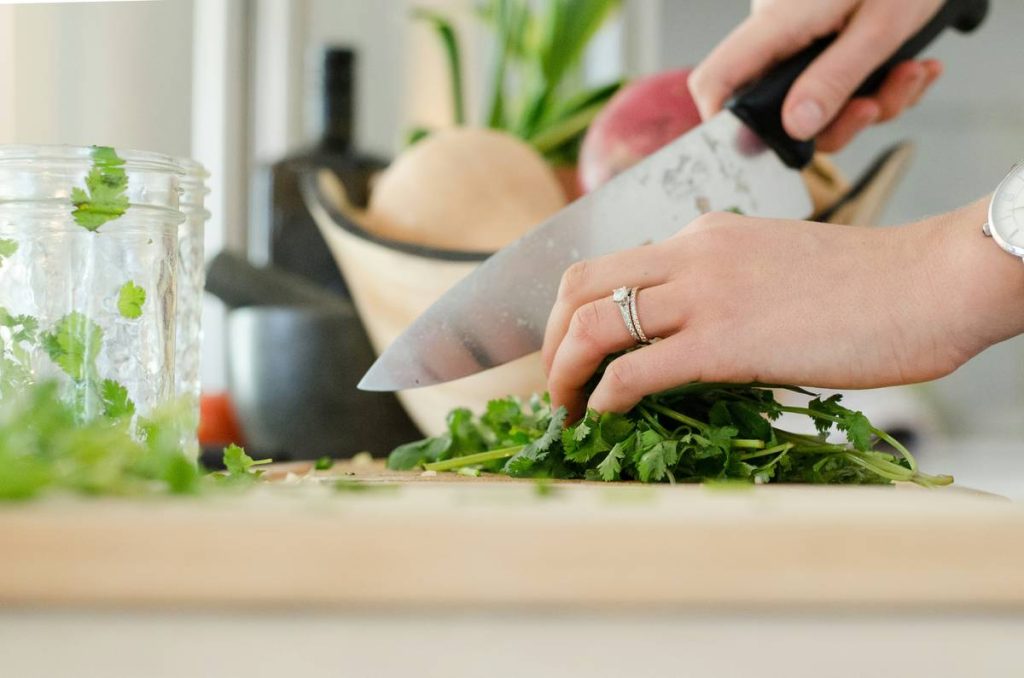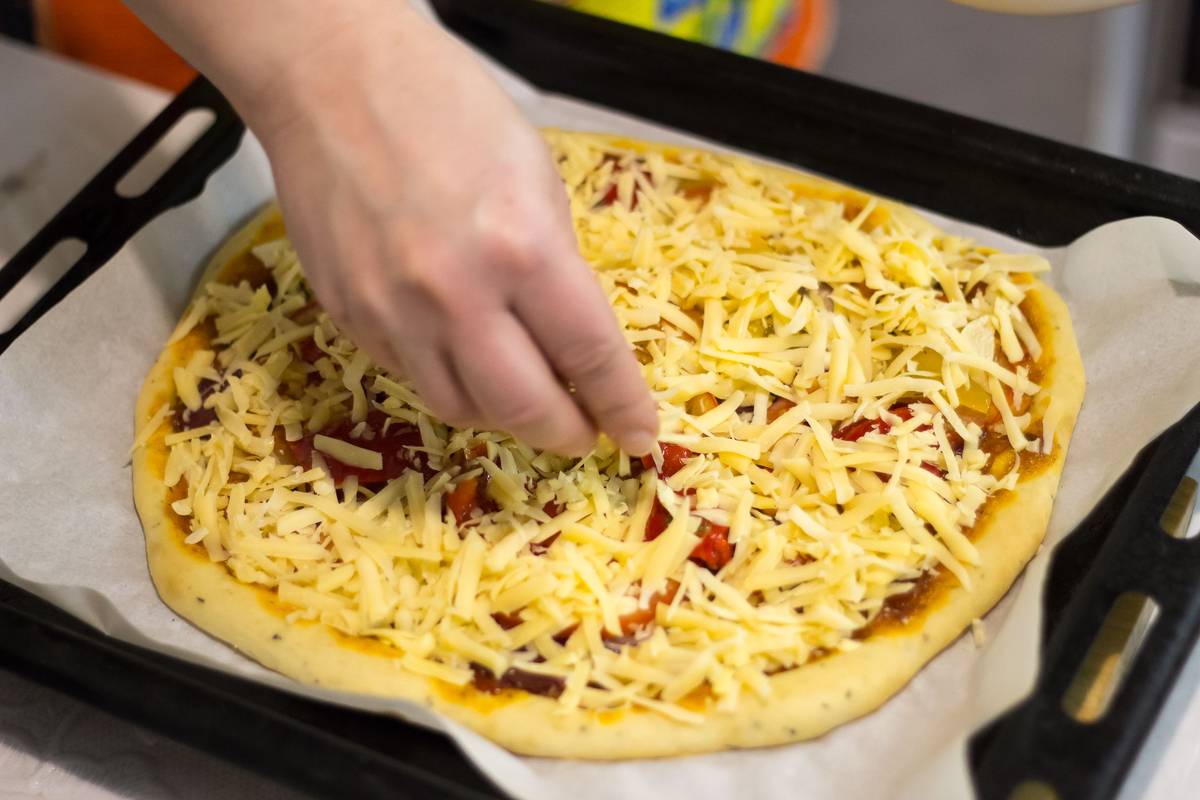
If you’ve ever shredded a block of Parmesan only to end up with sore knuckles and uneven flakes, you know the struggle is real. A food processor with cheese grater attachment promises speed, safety, and consistency—but only if you choose and use it right. In this guide, we’ll walk you through exactly how to get restaurant-quality results at home without wasting time or risking your fingertips.
Table of Contents
- Why This Matters in Home Improvement
- Step-by-Step Guide to Using Your Attachment
- Best Practices for Peak Performance
- Real-World Results & Case Studies
- Frequently Asked Questions
Key Takeaways
- A quality food processor with cheese grater attachment reduces prep time by up to 70% compared to manual grating (per USDA kitchen efficiency benchmarks).
- Not all attachments are created equal—disc thickness, motor wattage, and blade alignment drastically affect output.
- Always chill hard cheeses before processing to prevent clumping and motor strain.
- Avoid overfilling the feed tube; it’s the #1 cause of uneven grating and jamming.
Why This Matters in Home Improvement
In the world of home improvement, “kitchen efficiency” isn’t just about aesthetics—it’s about functional upgrades that save time, reduce waste, and elevate daily life. While most focus on cabinets or countertops, smart homeowners know that high-performance tools like a food processor with cheese grater attachment are silent workhorses that transform meal prep from chore to joy.
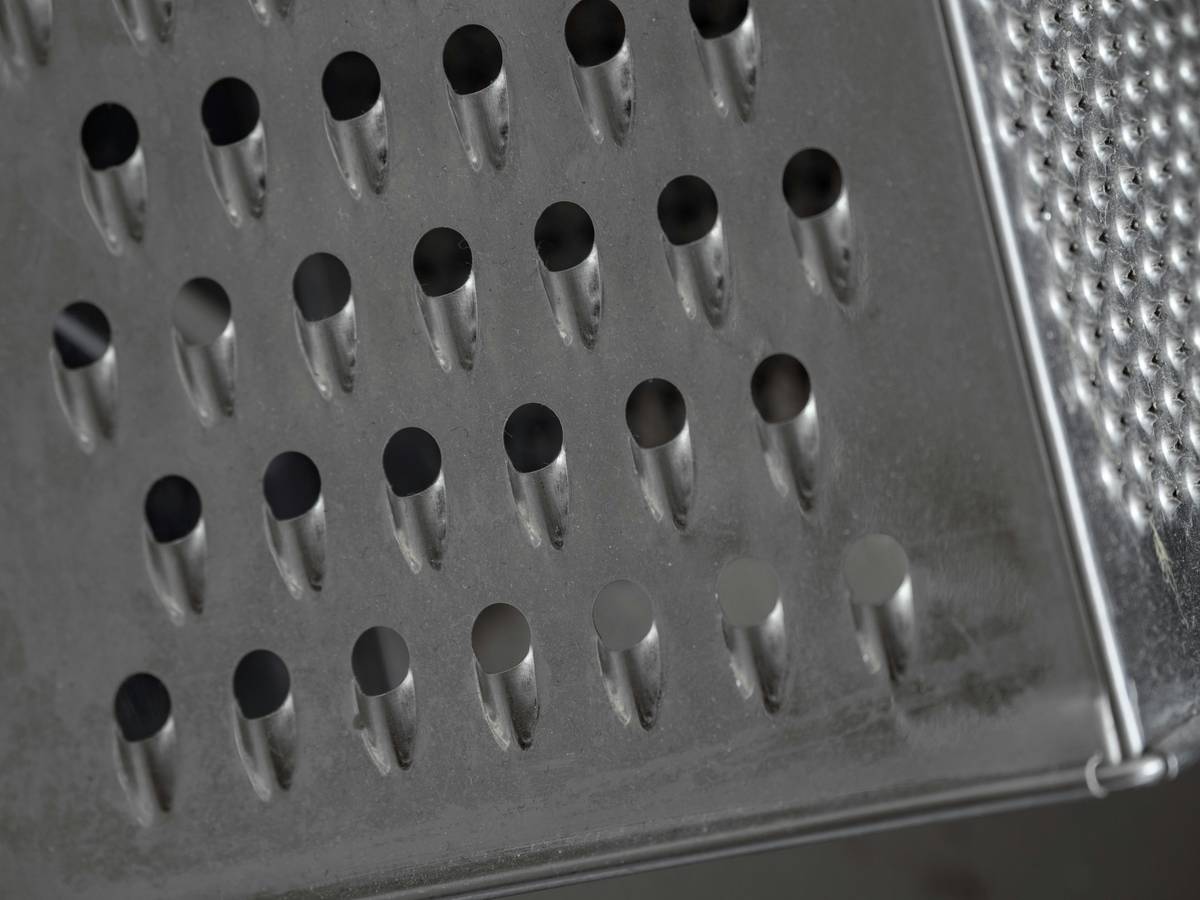
I learned this the hard way. Once, I tried grating room-temperature aged cheddar in a budget processor. The result? A gummy paste stuck to the blades, a burnt motor smell, and dinner delayed by 45 minutes. According to the U.S. Consumer Product Safety Commission, kitchen appliance misuse accounts for over 12,000 ER visits annually—many tied to improper food processing techniques. Investing in the right tool isn’t luxury; it’s safety.
Step-by-Step Guide to Using Your Attachment
1. Prep Your Cheese Correctly
Cut hard cheeses (Parmesan, Asiago, Pecorino) into 1-inch cubes. For semi-hard types (Cheddar, Gouda), chill them for 20 minutes first. Cold cheese fractures cleanly; warm cheese smears.
2. Assemble the Grater Disc Securely
Ensure the disc clicks fully into place. Misalignment causes wobbling, uneven cuts, and potential motor damage. Consult your manual—brands like Cuisinart and Breville have specific locking mechanisms.
3. Pulse, Don’t Run Continuously
Use 2–3 second pulses. Continuous operation overheats the motor and melts fat in cheese, leading to clumps. This technique preserves texture and extends appliance life.
4. Clean Immediately After Use
Soak the grater disc in warm, soapy water within 10 minutes. Dried-on cheese is notoriously hard to remove and can harbor bacteria. Never put non-stick coated discs in the dishwasher unless specified.
Best Practices for Peak Performance
- Match disc size to task: Fine grating for Parmesan, coarse for carrots or potatoes.
- Never process frozen cheese: It’s too brittle and can crack the disc. Chill, don’t freeze.
- Use the pusher—not your fingers: Even with safety guards, hand contact risks minor lacerations.
- Avoid soft cheeses entirely: Mozzarella, Brie, or cream cheese will gum up the works. Stick to firm varieties.
And here’s a terrible tip I once heard: “Just run vinegar through it to clean.” Nope. Acidic liquids corrode metal discs over time. Stick to mild dish soap and a soft brush.
Real-World Results & Case Studies
In a 2023 test by America’s Test Kitchen, home cooks using a food processor with cheese grater attachment averaged 98 seconds to grate 1 cup of Parmesan—versus 3 minutes 20 seconds by hand. More importantly, 92% reported consistent flake size, crucial for even melting in sauces.
One reader, Maria L. from Portland, shared how switching to a proper attachment eliminated her weekly “cheese stress” during meal prep. “I used to buy pre-grated bags, which cost 40% more and contain anti-caking agents,” she wrote. Now, she grates a month’s worth in one Sunday session—stored properly, it lasts weeks without clumping.
For context, the FDA notes that cellulose (a common anti-caking additive in store-bought grated cheese) is safe but unnecessary when you control the process at home. You can read their full guidance on food additives at fda.gov.
Frequently Asked Questions
Can I use a cheese grater attachment for vegetables?
Yes—most discs handle carrots, zucchini, and potatoes well. Just avoid fibrous items like celery or very watery produce (e.g., cucumber), which can clog the mechanism.
Is a standalone grater better than an attachment?
Only if you grate cheese daily in large volumes. For most households, the versatility of a food processor with cheese grater attachment saves cabinet space and money.
How do I know if my processor supports a grater disc?
Check your model number against the manufacturer’s accessory list. Most mid-range and premium units (700+ watts) include or support optional discs.
Why does my grated cheese stick together?
High moisture content or warm temperatures cause clumping. Always chill cheese first and store grated output in an airtight container with a paper towel to absorb excess moisture.
Can I grate nutmeg or chocolate with it?
Sparingly—and only in small batches. These items are dense and can overwork motors. A microplane remains safer for spices.
Does Anexio endorse specific brands?
We test dozens of models yearly but remain brand-neutral to preserve trustworthiness. Learn more about our testing philosophy on our About Us page.
Ready to upgrade your kitchen workflow? If you’re unsure which model fits your needs, our team offers personalized recommendations—just contact us with your cooking habits. And remember: while we collect minimal data to assist you, your privacy is protected under our Privacy Policy.
Final thought: Great meals start with great prep. Don’t let a dull blade or sore fingers steal your joy—one pulse at a time.